Menu pricing that protects your margin

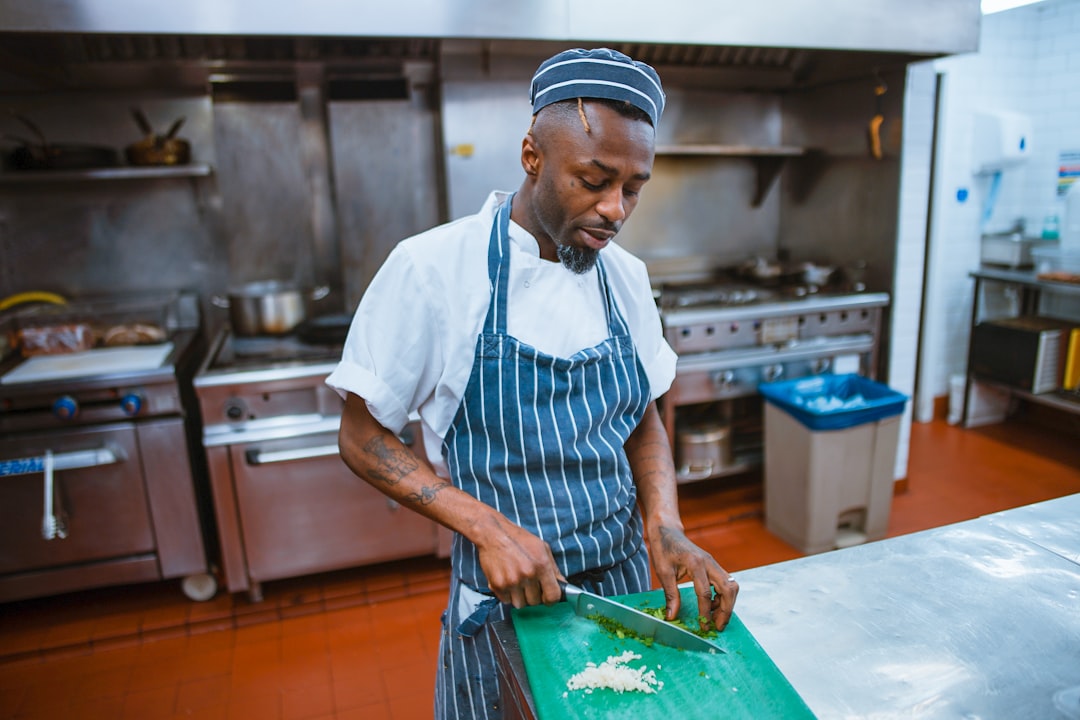
Chef calculating menu pricing for a new dish in a professional kitchen

Menu pricing decides whether a dish quietly pays its way or drains the kitchen’s margin without anyone noticing. This guide explains food cost percentage, contribution margin and the category targets professional kitchens rely on, then shows exactly where restaurants cut corners and lose guests while chasing a better number on paper.

Autumn menus: 8 ways restaurants adapt

a woman arranges roasted root vegetables on a plate as part of the new autumn menus service in a kitchen.

When the first cool evenings arrive, restaurants do not simply swap a few dishes. They rethink flavour, space, light, and supplier relationships all at once. This guide documents 8 practical ways operators adapt their autumn menus and dining environments to meet what guests actually want from the season.

Dining programmes that reflect local culture

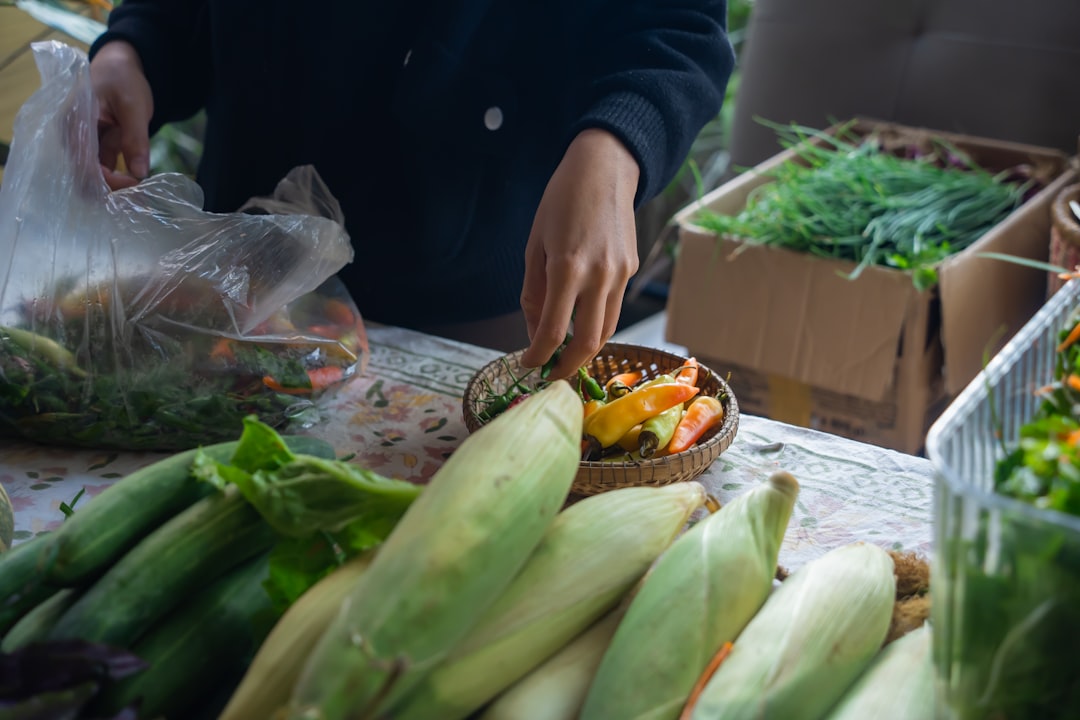
A hotel chef selects seasonal produce at a local market, reflecting the values of culturally grounded dining programmes

The world’s leading hotels no longer treat food as a service. They treat it as a cultural document. This article explores 7 deliberate strategies hotels use to design dining programmes that genuinely reflect where they are, from the soil to the plate to the story told at the table.

Tasting menus that tell a real story

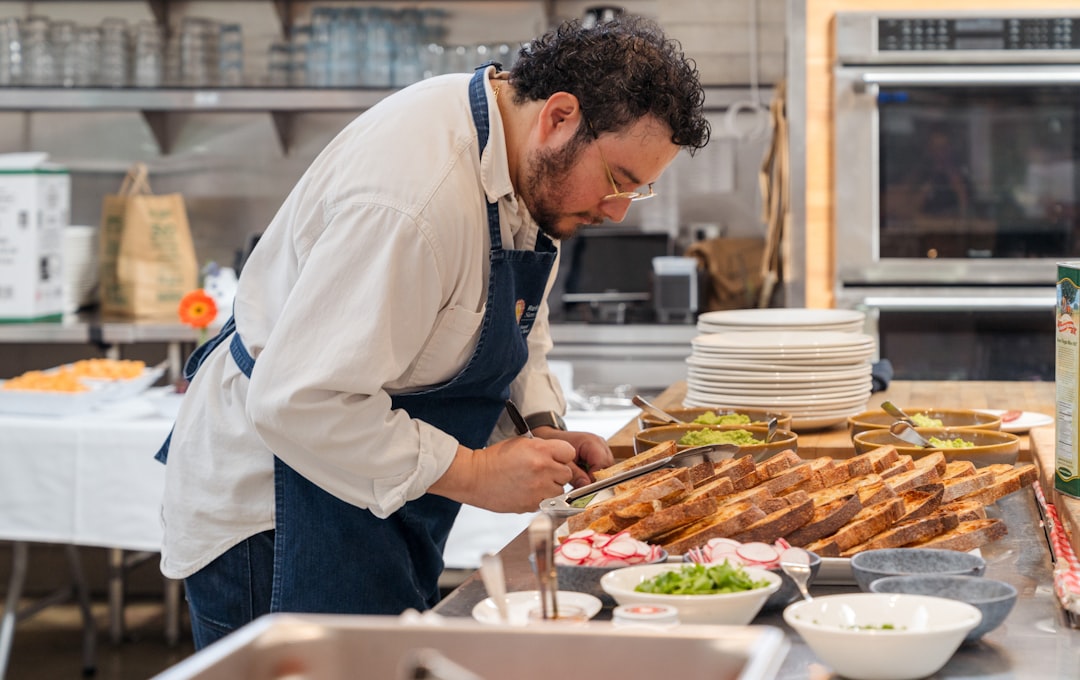
A chef plates a course during service, embodying the deliberate craft behind tasting menus that tell a seasonal story.

Tasting menus are not simply long meals. They are deliberate sequences where each course carries meaning and builds on the last. This piece explores how independent restaurants construct that arc, from the philosophy behind the first dish to the quiet resolution of the final bite.

Restaurant groups: quality across locations

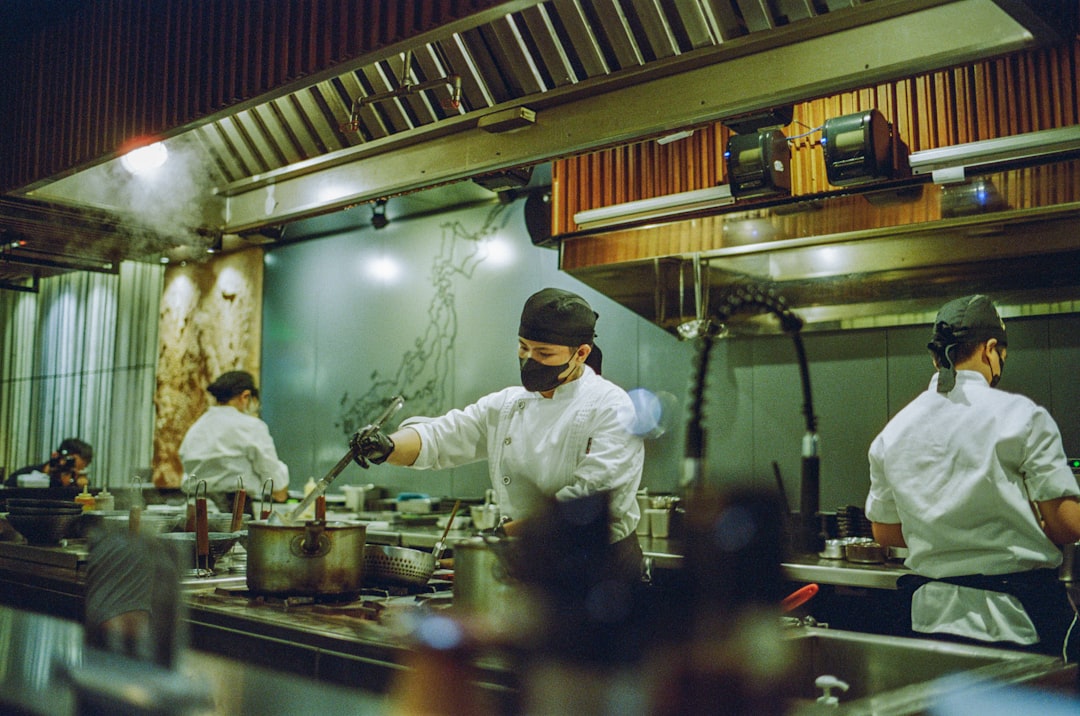
a common scene inside well-run restaurant groups focused on quality and consistency.

Restaurant groups face a defining challenge: deliver identical quality at every table without erasing what makes each location feel distinct. This piece examines 5 practical strategies the best operators use to hold those 2 goals together, from centralized training systems to hyper-local sourcing decisions that change by season.

Hotel breakfast and local food culture

A hotel chef carefully plates a locally sourced hotel breakfast dish featuring seasonal vegetables and regional grains

Hotel breakfast programs are shifting away from generic buffets and toward menus that reflect the food traditions of their region. Chefs now work with local farmers, heritage grains, and seasonal produce to give guests a genuine sense of place. The morning table has become one of the most honest expressions of where a hotel truly belongs.